
Justice for All — Media with Meaning
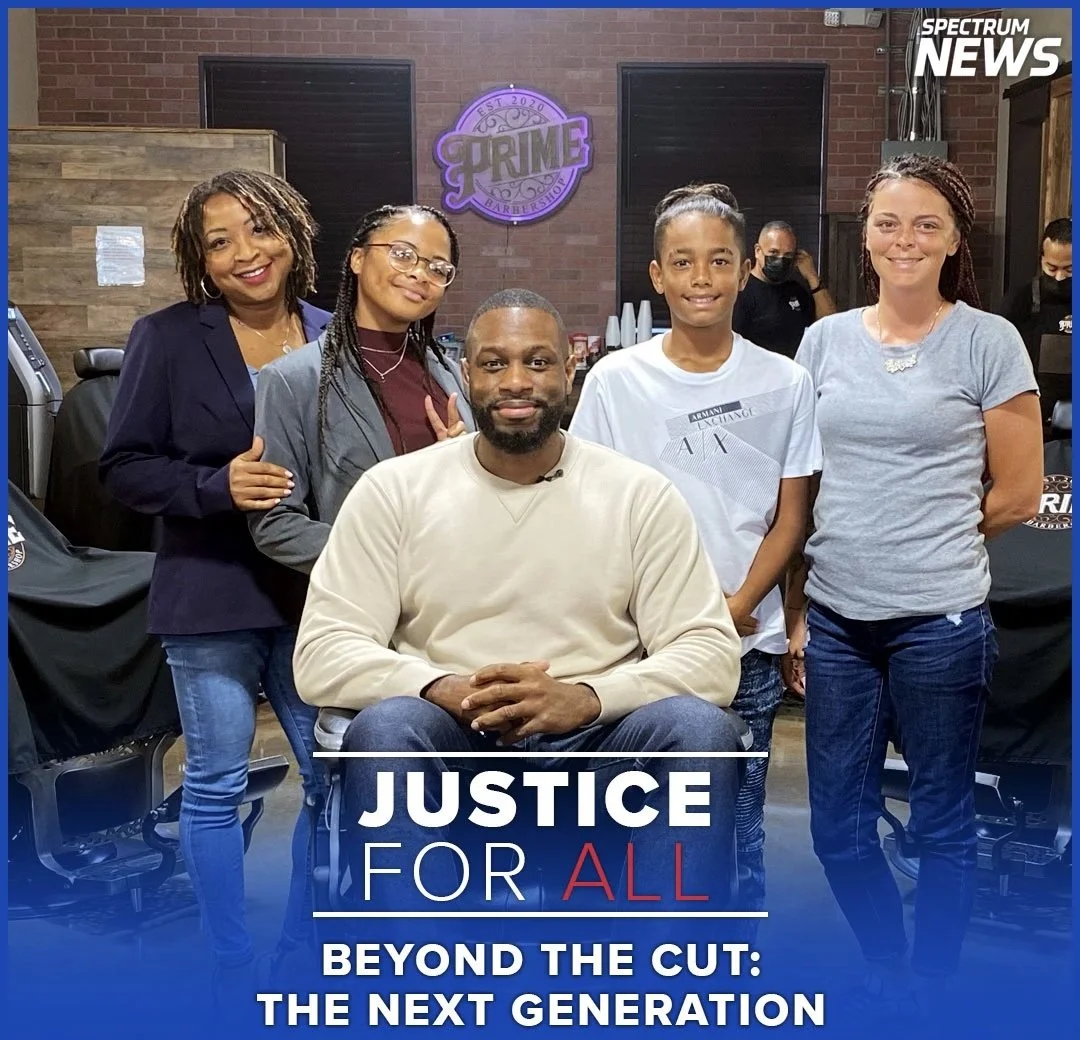
In the aftermath of George Floyd’s death, Nathanael didn’t want to just report headlines — he wanted to build understanding. As Executive Producer at Spectrum News, he created Justice for All, a documentary-style series that examined the meaning of justice in America through authentic, unfiltered conversations JUSTICE FOR ALL.
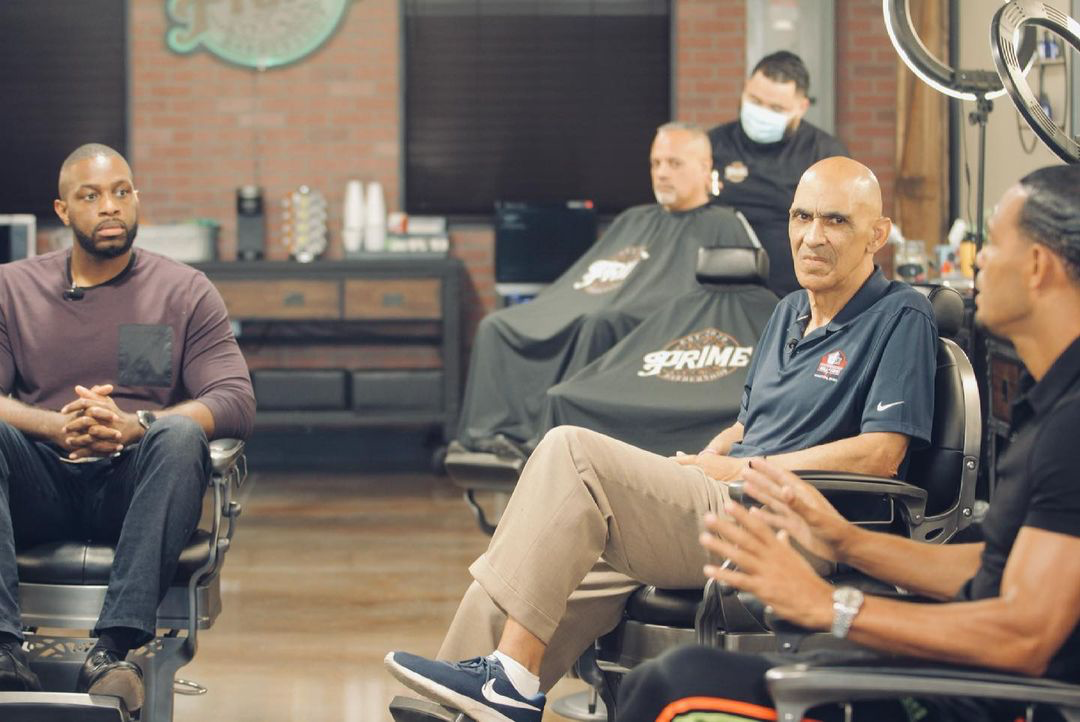
The success of the series led to Beyond the Cut, a barbershop-based series where voices from law enforcement, youth, athletes, and community leaders — including Tony Dungy and Titus O’Neil — met for raw dialogue on race and unity. The franchise became a cornerstone of Spectrum’s DEI storytelling, reaching national distribution and earning acclaim for its courage and candor.
Nathanael also produced a cross-network Black History Month Special that united two major news teams into one powerful broadcast — a production recognized for collaboration, impact, and excellence.
From Local Story to National Impact
While reflecting on the Pledge of Allegiance, I paused at the final words — “justice for all.”
That simple line became the heartbeat of this project: to explore what justice truly means in America — not as a slogan, but as a shared human experience.
What began as a local initiative in Florida grew into a body of work showcased across Spectrum Networks nationwide. The series invited communities to confront hard truths, ask better questions, and discover common ground — proving that meaningful storytelling still has the power to unite.
A Platform for Dialogue
Justice for All became more than a broadcast — it was a forum for reflection.
Each episode took viewers beyond headlines into the stories and lives of real people navigating inequality, identity, and hope. The goal wasn’t to lecture — it was to listen, learn, and lean into empathy.
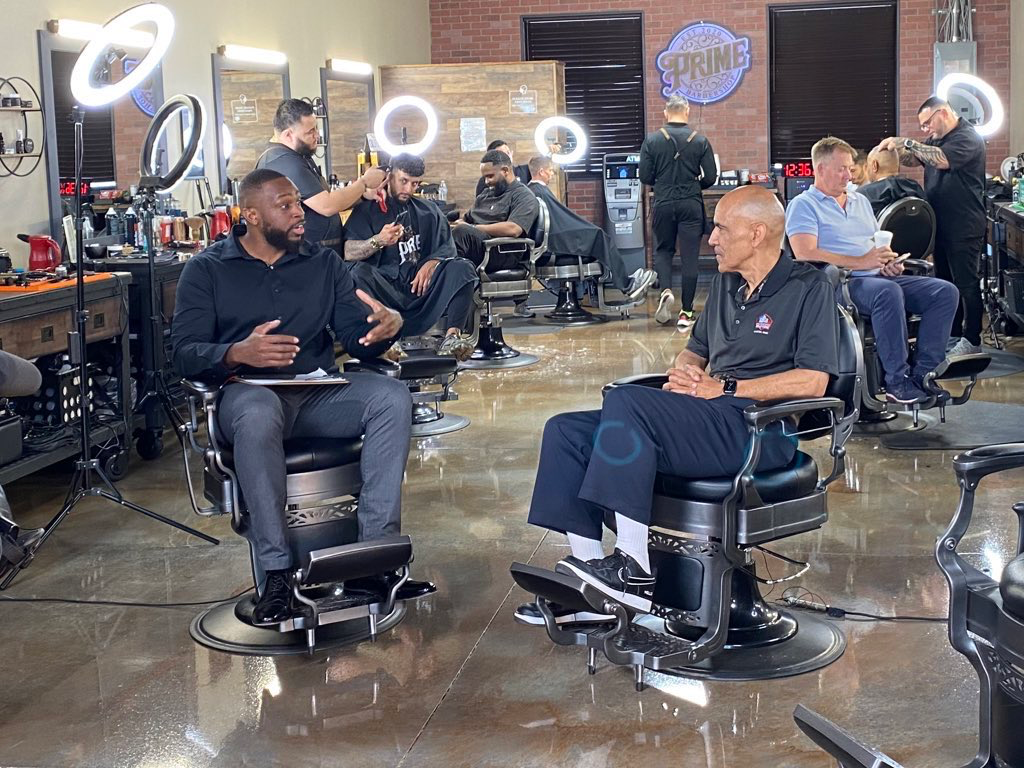
Building on the success of Justice for All, I created and hosted Beyond the Cut — a barbershop-based conversation series filmed throughout the Tampa Bay area.
Each episode brought together middle school students, law enforcement, lawmakers, athletes, and community leaders — including Hall of Fame Coach Tony Dungy and WWE Superstar Titus O’Neil — for unfiltered dialogue on race, unity, and progress.
Inside the Barbershop
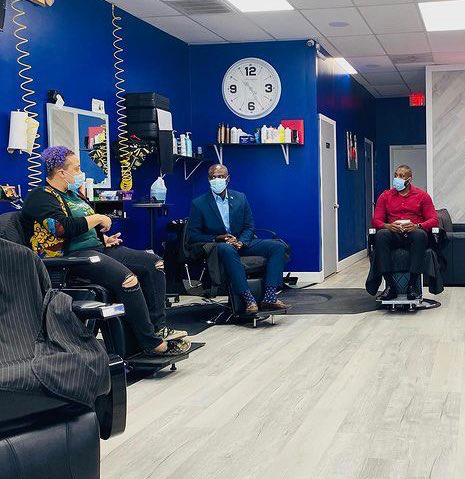
The barbershop setting was intentional — a familiar, trusted space where people could drop titles, share truth, and talk without pretense. That authenticity made Beyond the Cut resonate with viewers across age groups and backgrounds, inspiring communities to start their own conversations.
For me, Justice for All isn’t just a series — it’s a statement of purpose.
It’s proof that journalism can still heal, educate, and connect.
In every role I take, that mission continues: to lead with empathy, create with courage, and always tell stories that matter.